This Yakuza-themed game UI/UX project was one of my most creatively fulfilling experiences. I wanted to build something that didn’t just look like a game interface — it had to feel like part of the story, part of the world the player is entering. Every screen was designed with intention: to reflect emotion, personality, and culture, while still being clean, modern, and easy to use.
I focused heavily on the visual storytelling side of UX. Characters are not just placed on the screen — they lead the design. Their expressions, postures, and backgrounds all influence how the player feels in that moment. The bold red and black palette screams tension and action, while the black-and-white version introduces a calmer, more introspective mood. I wanted the UI to move with the narrative arc, just like a soundtrack does in a film.
Typography also plays a big role. Phrases like “NEVER GIVE UP” aren’t just decoration — they reinforce the game’s spirit and emotional tone. I treated type like a character itself — loud, raw, and full of attitude.
Overall, this project was all about balancing creativity with functionality. It pushed me to think beyond just screens — to think like a player, a storyteller, and a designer all at once. It’s a great example of how UI/UX design can go beyond buttons and menus to truly shape the player’s emotional connection to a game.
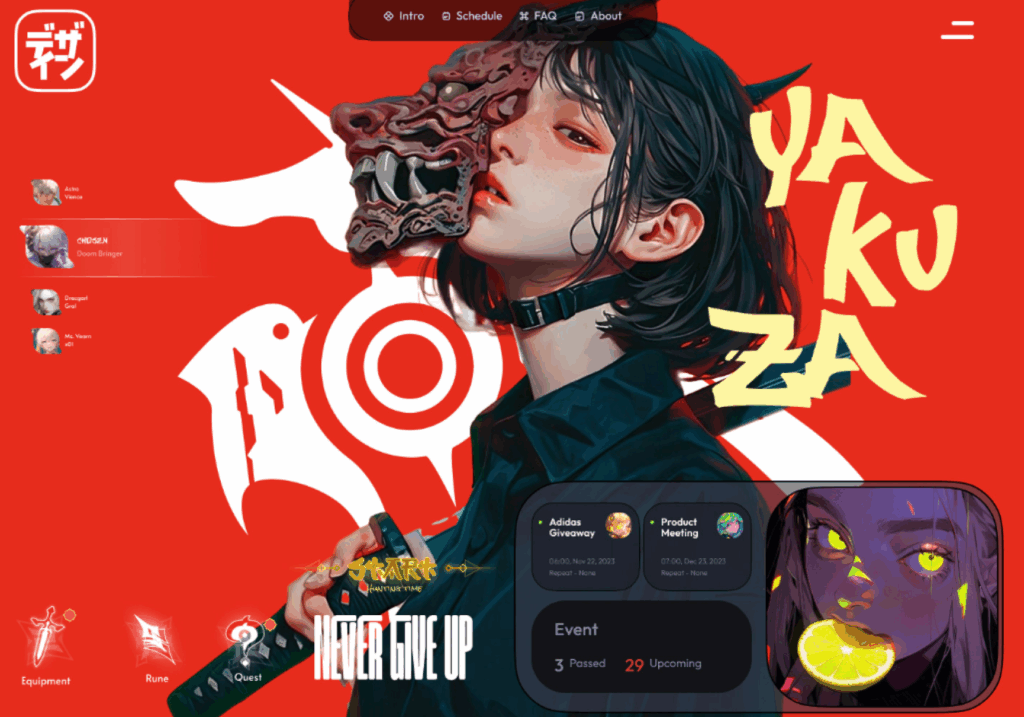
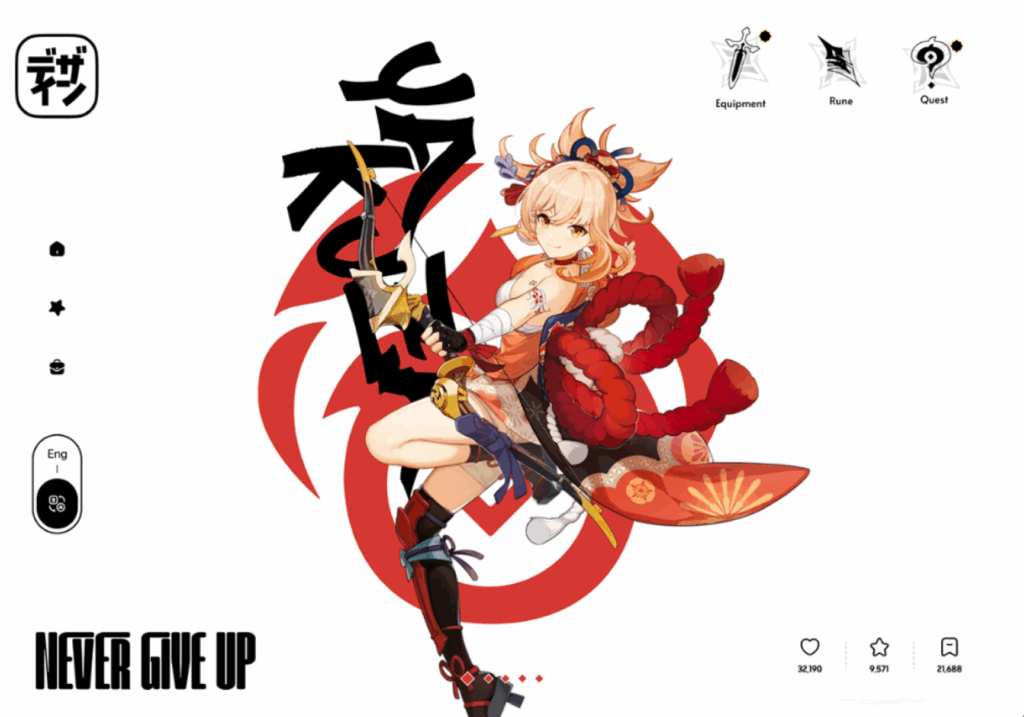
From a UX side, I kept the interaction intuitive and responsive. Smooth navigation, clear icons, and layered layouts make it easy for players to move through the interface without friction. Even though the visual style is bold, the usability never takes a back seat. The store section, for example, is minimal and structured so players can quickly explore items or gear without feeling overwhelmed.
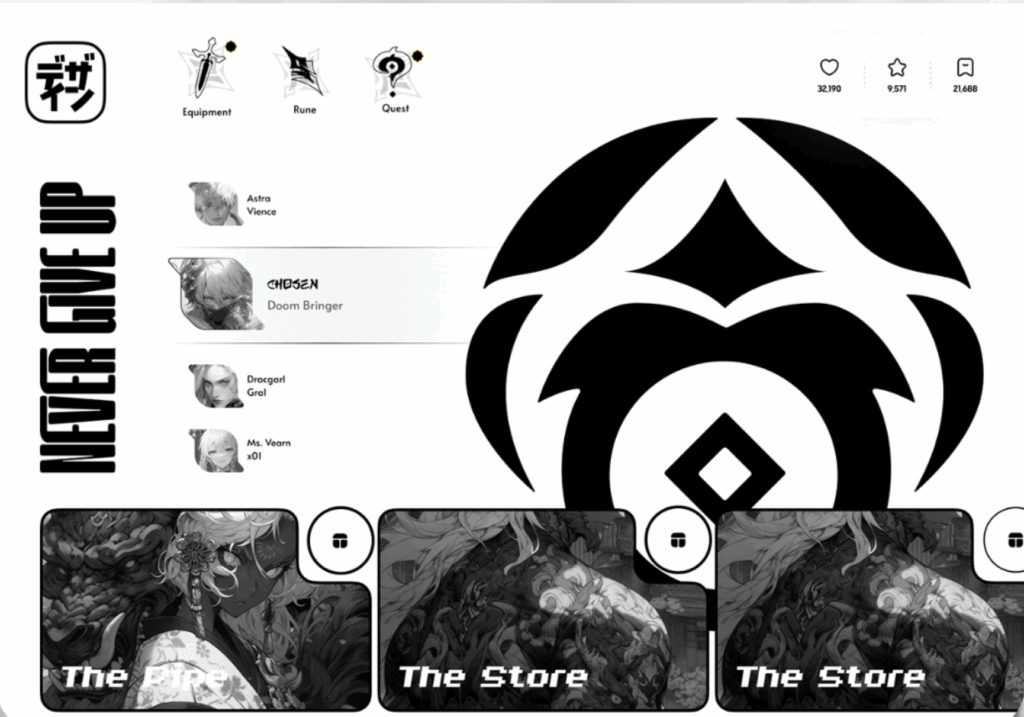
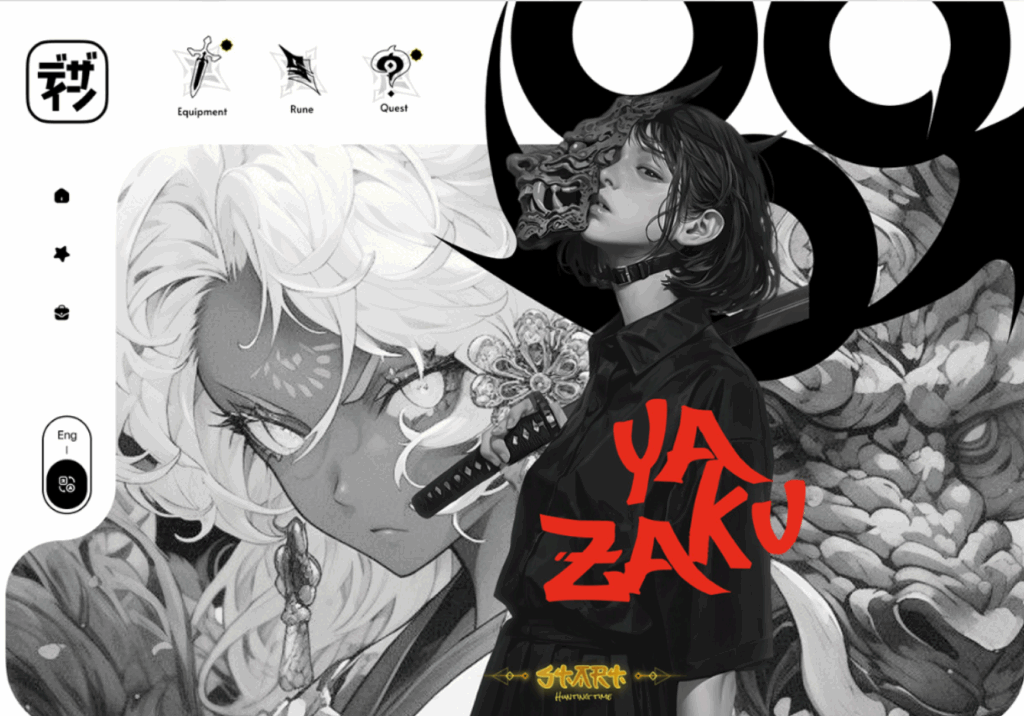
Typography also plays a big role. Phrases like “NEVER GIVE UP” aren’t just decoration — they reinforce the game’s spirit and emotional tone. I treated type like a character itself — loud, raw, and full of attitude.
Overall, this project was all about balancing creativity with functionality. It pushed me to think beyond just screens — to think like a player, a storyteller, and a designer all at once. It’s a great example of how UI/UX design can go beyond buttons and menus to truly shape the player’s emotional connection to a game.